
Commercial & Institutional
Steel-intensive commercial and institutional buildings — long spans, exposed steel and urban sites, delivered single-point.
Built where the steel shows
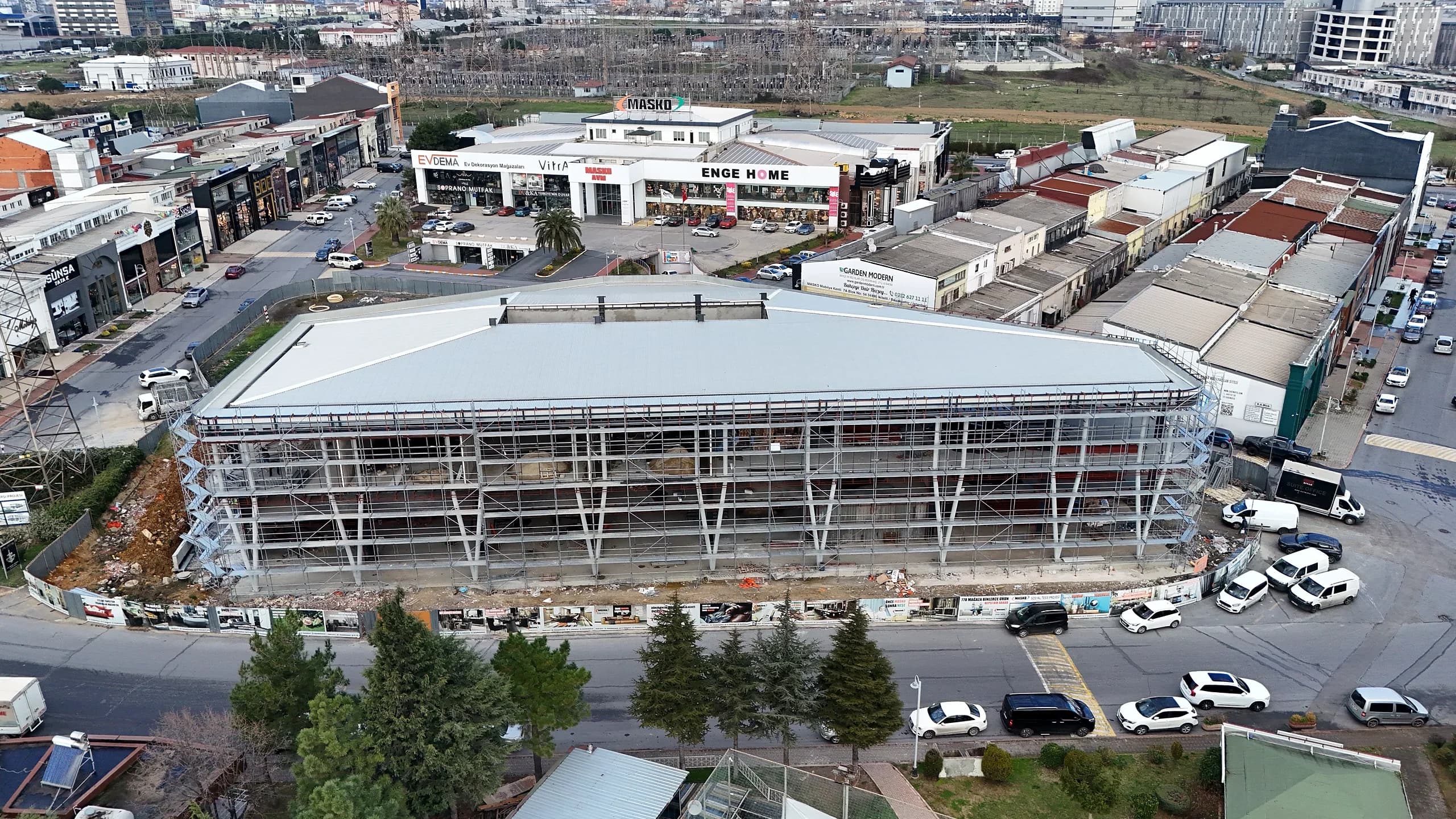 Delivered
İkitelli Business Centre Shell and Core Works
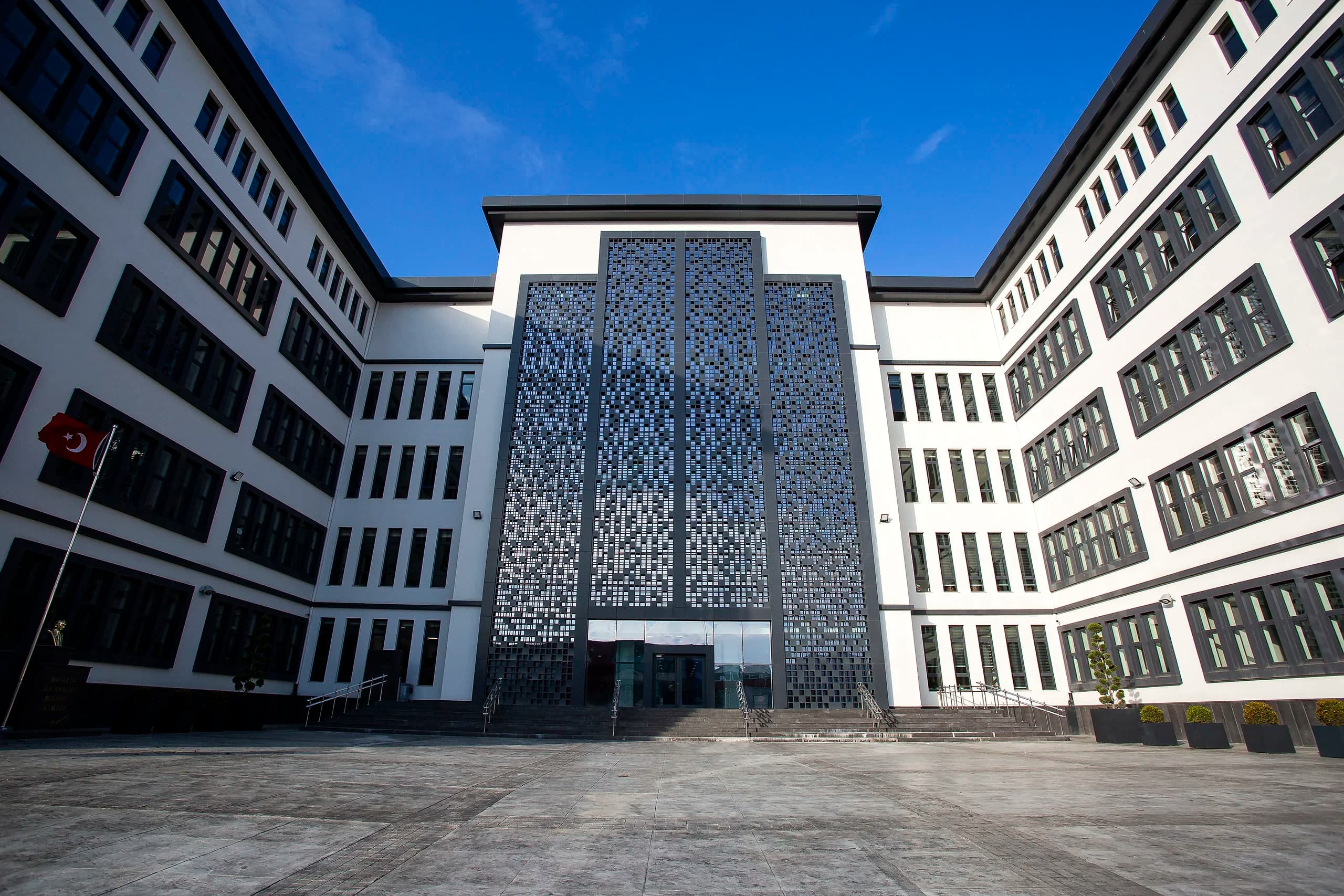 Delivered
72-Classroom School Campus in Sancaktepe, Istanbul
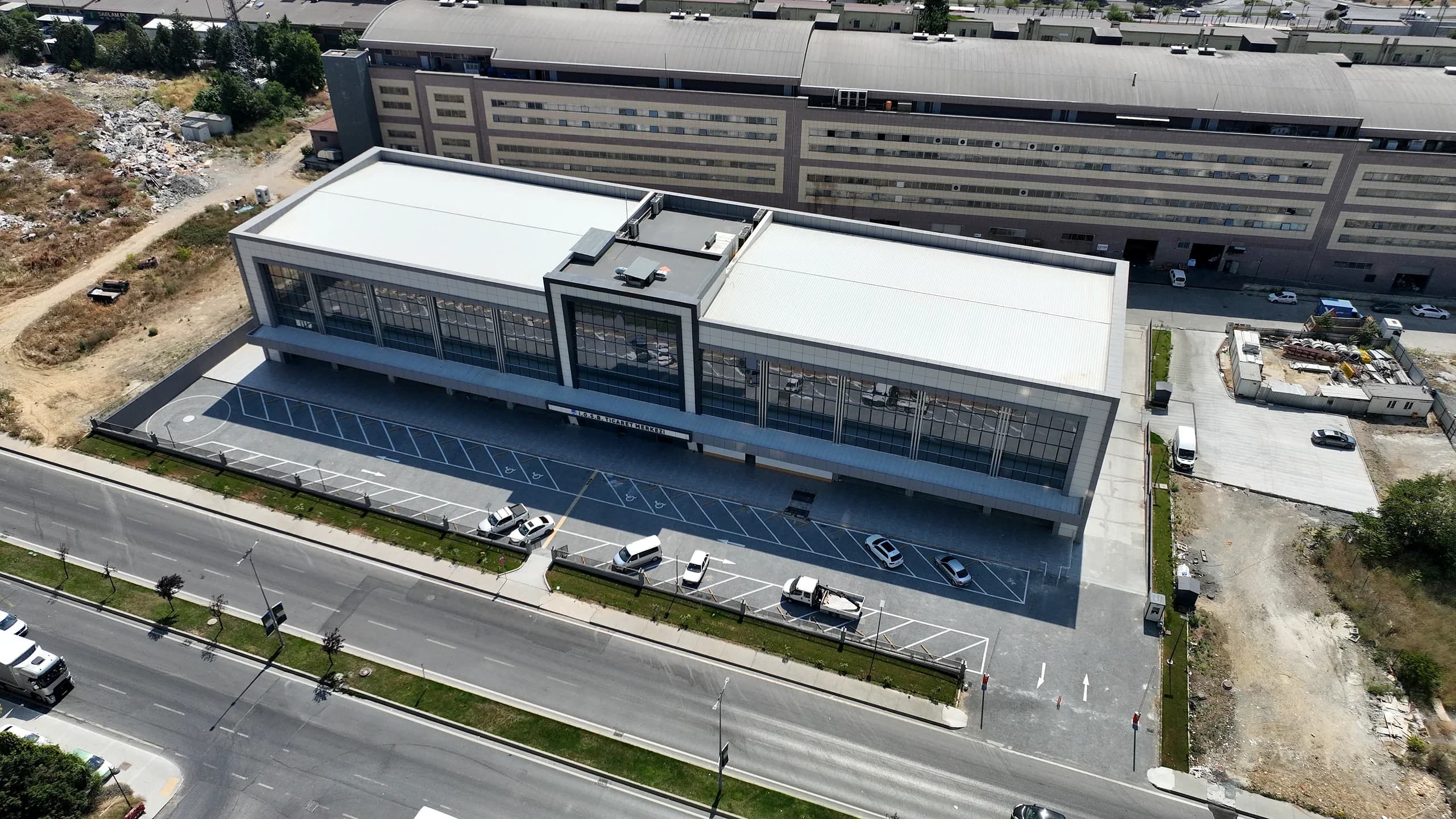 Delivered
İkitelli Social Facility and Trade Centre Completion Works
Commercial and institutional credentials
Where exposed steel goes wrong — and who absorbs it
Exposed steel is architecture: tolerances are visual as well as structural, sites are urban and occupied, and every trade shares the same crane hours. Sequencing discipline decides the finish quality — and the handover date.
Risk & responsibility
Fabrication tolerance, handling damage and erection sequence are ours. What stays with you is design intent and the decisions only the client can make.
| Sector risk | How we absorb it |
|---|---|
| Tolerances are visual, not only structural | AESS category agreed per element at tender, carried through handling and touch-up to a finish inspection at handover. |
| No laydown area on urban sites | Just-in-time deliveries planned with the main contractor and the municipality; steel arrives in erection order. |
| Every trade shares the same crane hours | Crane logistics sequenced jointly; our erection plan is built around the shared resource, not against it. |
| Facade meets structure at the connection | Secondary steel and facade interfaces are modelled and frozen with the envelope contractor before fabrication. |
Bring us in for this — not for that
A good fit for
- Steel-intensive commercial and institutional buildings
- Architecturally exposed steel (AESS)
- Long-span roofs and atria over live spaces
- Facade and secondary steel coordination
Not the right fit for
- Fit-out and interior packages
- Concrete-frame buildings with nominal steel
- Residential blocks and urban-renewal work
What we take responsibility for
Steel-intensive buildings
Structural frames for commercial and institutional buildings, from design coordination to erection.
Architecturally exposed steel
AESS-grade fabrication and finish-quality welding where the structure is the architecture.
Long-span roofs & atria
Long-span and cantilevered roof structures erected over live public and occupied spaces.
Facade & secondary steel
Secondary steel and facade support structures coordinated with the envelope contractor.
Buildings are usually signed turnkey
A single responsible party for the structural scope keeps the finish standard and the handover date in one place. Unit price fits packages measured by drawing.
Turnkey
Risk
Nunteknik carries it
Price
Fixed, lump sum
Best for
Defined scope
Unit Price
Risk
Shared
Price
Rate × measured quantity
Best for
Moving quantities
Cost-Plus
Risk
Client-weighted
Price
Cost + fixed fee
Best for
Early-phase scope
Practical questions, direct answers
Finish quality, urban logistics and coordination — what building clients ask first.
Can you meet architectural (AESS) finish requirements?
Yes — AESS category is agreed per element at tender, and fabrication, handling and touch-up procedures follow it through to a finish inspection at handover.
How do you manage urban site logistics?
Deliveries, laydown and crane usage are planned with the main contractor and the municipality — just-in-time steel where laydown does not exist.
Do you coordinate with the facade contractor?
Secondary steel and facade interfaces are modelled and frozen jointly before fabrication, so tolerances meet at the connection — not on site.
How is finished steel protected through the follow-on trades?
Exposed elements are wrapped or shielded after erection, damage is logged against the AESS category, and touch-up is carried out to procedure before the finish inspection.
A steel-intensive building on the board?
Share the design intent — we scope the structure, exposed steel and interfaces under one contract.